
Technology
What's next for Grove City's large development amendment?
By Samuel Ortiz
Advertisement · Why this ad?
Originally from Dayton, Carlos has spent the last seven years reporting on professional and collegiate sports in Ohio. He holds a journalism degree from Wright State University and previously worked at ESPN Radio, giving him a broad perspective on sports culture.
More from Carlos →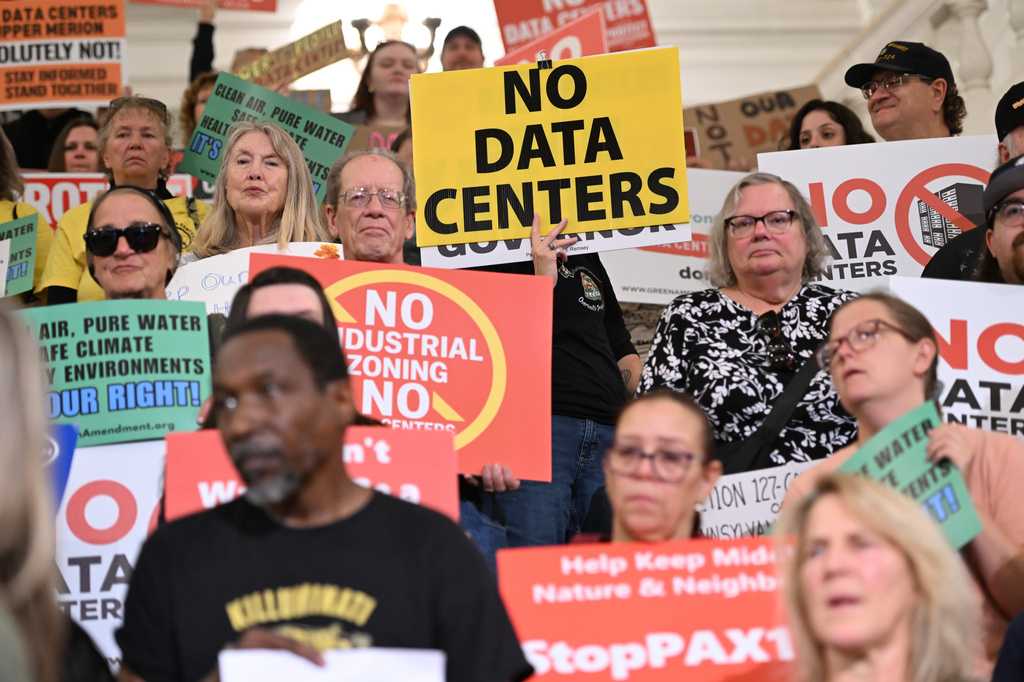
It’s a chilly November day in Cincinnati, but the real storm isn’t coming from the skies—it’s coming from Wall Street, where AI stocks are taking a nosedive that’s rattling investors and sending shockwaves through the broader market. Imagine a scene at the local coffee shop, where a father, clutching his morning brew, overhears a conversation about a 4.4% plunge in the S&P 500. That number might seem abstract, but for the families and small business owners in Cincinnati, it’s a stark reminder of how global financial tremors ripple into our everyday lives—affecting jobs, retirement savings, and even community projects that rely on steady investment. As the markets tumble, it’s worth unpacking what’s behind this sudden sell-off and why it matters deeply to our community’s future.
On Thursday, Wall Street experienced a brutal sell-off, with AI-related stocks leading the charge downward. The S&P 500, a broad measure of U.S. equities, dropped a staggering 4.4%, erasing the gains from the previous day—its best in three months. The Dow Jones Industrial Average plunged by 1,833 points, or 3.4%, while the Nasdaq composite fell 5.5%, with AI and tech stocks suffering the heaviest losses. The Nasdaq, which had recently hit a record high last month, is now more than 11.9% below that peak, signaling a correction—a term that, in Wall Street speak, suggests a significant decline that investors should take seriously.
The immediate catalyst was a sharp decline in stocks tied to AI data centers, a sector that has been both a darling and a bubble in recent years. Companies like Nvidia, a household name in the AI chip industry, fell 9.3%, dragging the entire sector down. Nvidia’s decline was particularly impactful because, as one of the largest AI chip manufacturers, its stock movements influence the entire S&P 500 more than most other stocks. Other notable losers included Advanced Micro Devices, which tumbled 17.3%, and CoreWeave, a cloud-based AI chip rental company, down nearly 10%. Even GE Vernova, powering data centers, fell 7.5%, illustrating how widespread the panic was across the AI ecosystem.
Why such a dramatic sell-off? Experts point to a combination of factors: mounting fears that AI stock prices have been inflated beyond their real value, concerns about a potential slowdown in AI data center construction, and the political uncertainty following the midterm elections. Critics argue that AI stocks are in a bubble, with prices driven more by hype than fundamentals. The recent elections added fuel to the fire, as voters expressed wariness about the environmental and energy costs associated with building and powering AI data centers. Many communities, including some in Cincinnati, are voicing opposition to new data center projects, citing concerns over increased power bills, environmental impact, and local infrastructure strain.
Moreover, the political landscape appears to be shifting. The election results suggest that future government policies could impose restrictions or delays on AI infrastructure development, which in turn could slow down the demand for chips and electricity—key drivers of the current boom. This uncertainty has investors worried that the AI bubble might be deflating faster than anticipated, prompting a rush to sell stocks and lock in gains or cut losses.
While Wall Street’s rollercoaster might seem distant from Cincinnati’s daily life, the ripple effects are tangible. Our city, like many across the Midwest, has been eyeing the AI boom as a potential economic boon—new jobs, investments in tech infrastructure, and a boost to local businesses. However, the recent market turmoil underscores how fragile that optimism can be when global trends turn sour. Cincinnati’s families, especially those with retirement portfolios or small businesses relying on stable investments, are feeling the pinch. The fear of a bubble burst and the potential slowdown in AI development could mean fewer opportunities and delayed projects that would have brought jobs and growth to our community.
Furthermore, the opposition to new data centers reflects a broader societal debate about balancing technological progress with environmental stewardship and community well-being. Many residents are rightly concerned about how these large-scale projects impact their neighborhoods, utility costs, and local ecosystems. As voters in Cincinnati and across Ohio watch the national scene, their voices—whether for or against new AI infrastructure—highlight the importance of responsible growth rooted in strong families, faith, and community values. The debate isn’t just about chips and data; it’s about what kind of future we want to build together—one of sustainable progress and genuine opportunity.
Local leaders and community organizations have been actively involved in this dialogue. Cincinnati’s City Council has seen debates over zoning laws and utility regulations, with some members advocating for stricter environmental standards before approving new data center projects. The Ohio Environmental Council has issued statements urging caution and emphasizing the need for sustainable development. These local efforts reflect a broader national trend—communities are increasingly demanding transparency and accountability in how tech giants expand their infrastructure, especially when it impacts local resources and quality of life.
Looking ahead, the markets will likely remain volatile until there's more clarity on both economic fundamentals and political direction. Investors, including those here in Cincinnati, should remember the importance of long-term faith in community and family—values that provide stability amid financial storms. As Treasury yields fall and oil prices fluctuate, it’s clear that global uncertainties—like ongoing conflicts in the Middle East—continue to influence markets far beyond our city limits.
For Cincinnati families and entrepreneurs, the key is resilience. Diversifying investments, supporting local businesses, and staying grounded in faith and family remain vital. Our city’s strength has always been rooted in strong marriages, committed communities, and an unwavering belief that honest work and integrity lead to lasting prosperity. As the AI bubble faces potential deflation, it’s an opportunity to reflect on what truly sustains us—faith, family, and a community committed to responsible growth. We can weather this storm by staying united and focused on building a future that honors our values and embraces the American dream of stability and opportunity for all.
Local economic development agencies are also preparing for a period of adjustment. Cincinnati’s Chamber of Commerce has started initiatives to diversify the local economy, emphasizing sectors like healthcare, manufacturing, and renewable energy, which are less susceptible to global tech market swings. Community leaders are encouraging small businesses to innovate and adapt, knowing that resilience often comes from within. Schools and workforce programs are also increasingly focusing on skills in sustainable technologies and digital literacy to prepare residents for the jobs of tomorrow, ensuring that Cincinnati remains competitive regardless of the fluctuations in AI markets.
Meanwhile, community organizations continue to advocate for responsible development. The Cincinnati Environmental Alliance, for instance, is actively engaging with developers and policymakers to ensure new projects align with sustainability goals. Local protests and town halls have become common, reflecting a community eager to shape its future proactively. This grassroots engagement underscores the importance of local voices in shaping policies that balance economic growth with environmental and social responsibility.
In the end, the recent market turmoil serves as a reminder that while technology can propel us forward, it must be managed thoughtfully. Cincinnati’s community spirit, rooted in faith and resilience, offers a blueprint for weathering economic storms. As the city navigates these uncertain times, the focus remains on building a sustainable, inclusive future—one where growth benefits everyone, and progress is measured not just in stock prices but in the well-being of our families and neighborhoods.
By Samuel Ortiz

By Evan Fields

By Elena Trujillo

By Sofia Patel