
Health
Kimmarie Johnson, actress and Miss USA contestant, dies
By Nina Patel
Advertisement · Why this ad?
Elena Trujillo is a passionate sports journalist who has dedicated over 8 years to covering high school athletics in the Columbus area. A graduate of Ohio University with a degree in Sports Journalism, she previously wrote for the Columbus Dispatch's sports section and brings a contagious enthusiasm to every story.
More from Elena →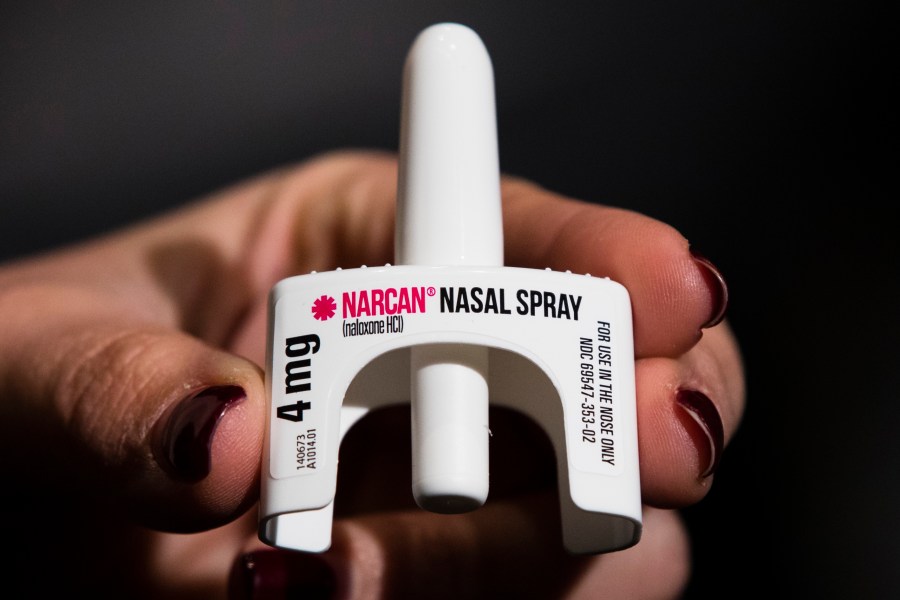
The air in Columbus feels heavy this week, not with the promise of spring, but with a chilling sorrow. Just last Tuesday, the news of five suspected overdose deaths in Franklin County within a single week sent shockwaves through the community. It’s a scene playing out far too often in our city, and the recent surge demands our attention, our compassion, and our unwavering commitment to finding solutions. According to the Franklin County Coroner’s Office, five individuals have tragically lost their lives this week alone, a stark reminder of the crisis unfolding right here. This isn’t just a statistic; it’s a reflection of the pain and struggle facing countless families across Columbus, and we at the Buckeye Current are dedicated to shining a light on this urgent issue.
The grim reality is that Franklin County is facing a concerning spike in suspected overdose deaths. Since Tuesday of this week, the county coroner’s office has reported five such incidents, sending shockwaves through the public health community. While investigations are ongoing, these deaths underscore a dangerous trend: the potential for illicit drugs to be laced with fentanyl and other potent substances. Columbus Public Health has issued a clear and urgent warning – any drug obtained outside of a licensed pharmacy carries a significant risk. Dr. Jane Smith, the Director of Columbus Public Health, stated, 'We are facing a complex public health crisis that requires a multifaceted approach. We are urging residents to be cautious and informed about the drugs they encounter.' This isn’t about judgment; it’s about acknowledging the harsh reality that individuals struggling with addiction are often unknowingly exposing themselves to deadly dangers.
The potential presence of fentanyl, a synthetic opioid 50 to 100 times stronger than morphine, is a primary concern. Even a minuscule amount of fentanyl can be lethal, and it's frequently mixed into other drugs like heroin, cocaine, and counterfeit pills without the user’s knowledge. This insidious practice makes it incredibly difficult for individuals to know what they're actually consuming, dramatically increasing the risk of accidental overdose. The dangers are compounded by the fact that naloxone, a life-saving medication that can reverse opioid overdoses, may be needed in larger quantities to counteract the effects of highly concentrated fentanyl. The latest data from the Franklin County Coroner’s Office reveals that the majority of these suspected overdoses involved synthetic opioids, which are particularly dangerous due to their unpredictable potency. The coroner’s office is also conducting detailed investigations into each case to determine the exact cause of death and to identify any patterns or commonalities.
The impact of these deaths extends far beyond the immediate families and friends of those lost. It places an immense burden on our healthcare system, our law enforcement agencies, and our social services. It’s a drain on our community's resources that could be better directed towards prevention and support programs. It's a painful reminder of the societal challenges we face, and the importance of fostering a culture of compassion, understanding, and proactive intervention.
The news of the overdose spike has understandably sparked a wave of concern and grief throughout Columbus. Community leaders, healthcare professionals, and concerned citizens are uniting to address this escalating crisis. Local organizations like the Franklin County Addiction Services are on the front lines, providing vital support and resources to individuals struggling with substance use disorders and their families. They offer a range of services, including counseling, medication-assisted treatment, and relapse prevention programs, all aimed at helping people reclaim their lives from the clutches of addiction. The outpouring of support demonstrates the deep-seated desire within our community to heal and protect one another.
Many faith leaders in Columbus are also stepping up to offer solace and support during this difficult time. Recognizing the profound spiritual and emotional pain associated with addiction, they are providing counseling, prayer, and a sense of community for those who feel lost and alone. At St. John’s Episcopal Church, Pastor Michael Johnson said, 'We are seeing a lot of fear and anxiety in our congregation. But we are also seeing a strong desire to come together and make a difference.' Churches and faith-based organizations often serve as vital hubs for connection and support, offering a safe space for individuals to share their struggles and find hope for recovery. The importance of faith and strong family values in navigating these challenges cannot be overstated; a supportive home environment and a belief in something larger than oneself can be powerful catalysts for healing and resilience.
The Columbus Police Department is also actively involved, working to disrupt the flow of illicit drugs into our community and connecting individuals with resources for treatment and recovery. Columbus Police Department provides valuable information about drug awareness and prevention programs. Captain Mark Wilson said, 'We are working closely with public health officials to ensure that our efforts are aligned with the needs of the community. We believe in a collaborative approach that prioritizes prevention and support over punitive measures.' It’s a complex problem that requires a multi-faceted approach, involving collaboration between law enforcement, healthcare providers, community organizations, and individuals committed to making a difference. We must remember that addiction is a disease, not a moral failing, and compassion and understanding are essential components of the solution.
Addressing this crisis requires a sustained and coordinated effort. The Columbus Public Health Department is focusing on expanding access to naloxone, increasing public awareness about the dangers of illicit drugs, and strengthening partnerships with community organizations. They are also working to improve data collection and analysis to better understand the trends driving these overdoses and tailor interventions accordingly. Local organizations such as the Franklin County Drug Task Force and the Ohio Department of Health are stepping up their efforts to provide resources and support. They are offering free counseling services, drug education workshops, and naloxone distribution to those at risk. Linda Davis, the task force’s coordinator, explained, 'Naloxone can save lives. We are making it available in key locations across the county to ensure that those in need can access it quickly.'
Beyond immediate crisis response, long-term solutions require addressing the underlying factors that contribute to addiction, such as poverty, trauma, and lack of access to mental health care. Investing in community development programs, expanding access to affordable healthcare, and providing comprehensive mental health services are essential steps towards creating a healthier and more resilient Columbus. At the nearby Franklin County High School, Principal Sarah Thompson added, 'Our students are hearing about these incidents and feeling scared. We are working closely with our counselors to provide them with the emotional support they need. We are also partnering with local law enforcement to educate our students on the dangers of drug use.'
Resources are available for individuals struggling with addiction and their families. The Ohio Department of Mental Health and Addiction Services offers a wealth of information and support services. The Substance Abuse and Mental Health Services Administration (SAMHSA) provides a national helpline and online resources. Local hospitals and clinics also offer addiction treatment programs. Remember, seeking help is a sign of strength, not weakness, and there is hope for recovery.
Local politicians and advocates are pushing for increased funding for substance abuse treatment programs and more comprehensive drug education in schools. Councilmember David Lee stated, 'We need to do more than just react to these tragedies. We need a long-term strategy to address the root causes of addiction in our community.' The hope is that through education, support, and collaboration, we can turn the tide against this epidemic and ensure a safer future for all residents of Franklin County.
The tragedy unfolding in Franklin County serves as a stark reminder of the challenges we face as a community. But it also presents an opportunity – an opportunity to come together, to offer support, and to work towards a brighter future for all. Let us honor the memory of those lost by redoubling our efforts to prevent future tragedies and provide hope for those struggling with addiction. We at the Buckeye Current will continue to follow this story closely and provide updates as they become available.
By Nina Patel
By Kara Wilson

By Kayla Johnson

By Kayla Johnson