
Government
Live results: Ohio governor's race between Amy Acton and Vivek Ramaswamy
By Carmen Reyes
Advertisement · Why this ad?
Carmen Reyes has over 15 years of experience covering local and state government for outlets like the Columbus Dispatch and NPR's Ohio affiliate. She holds a Bachelor’s degree in Political Science from Ohio State University and has been recognized with several awards for her investigative reporting on public policy issues affecting the community.
More from Carmen →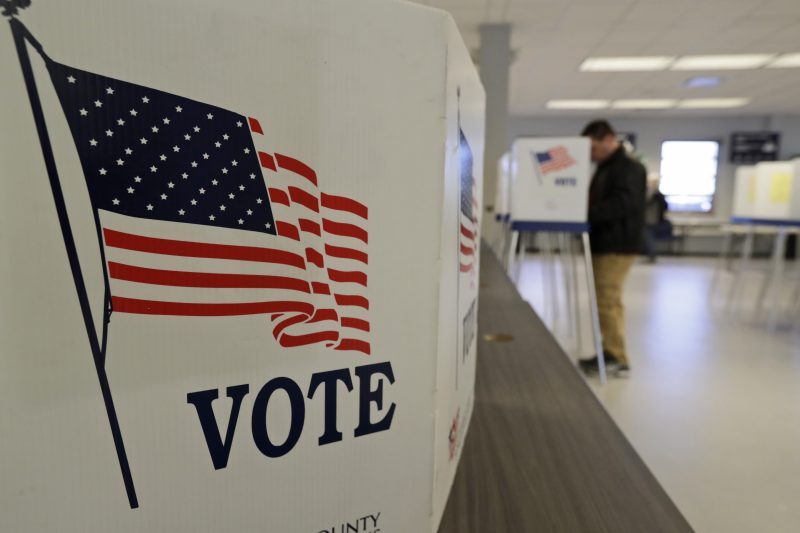
As the sun began to set over the Ohio Statehouse on election night, the air buzzed with a palpable mix of hope and anxiety. A coalition of supporters gathered outside, clutching signs and wearing campaign paraphernalia, their faces illuminated by the glow of the building's lights. For them, this was not just another election; it was a pivotal moment that could shape the future of their state. The stakes were high, and the results would echo through the halls of power in Columbus.
On November 7, 2026, Ohioans took to the polls to cast their votes not only for the governor and U.S. Senate but also for a range of statewide offices and local issues. This election cycle saw a significant turnout, as residents made their voices heard on critical issues affecting their communities. The mood was charged, with voters keenly aware that their choices would impact everything from education to healthcare policies.
The results were closely monitored, with early projections indicating a competitive race for several key positions. Among the most watched contests were the races for the Ohio Supreme Court, where candidates faced off in a battle for judicial influence that could shape the state’s legal landscape for years to come. Voter engagement was particularly high in urban areas, where issues like public safety and economic recovery were at the forefront of discussions.
As the night unfolded, results began to trickle in, revealing a mixed bag for candidates across the board. In the gubernatorial race, incumbent Governor Mike DeWine, a Republican, faced off against Democratic challenger Nan Whaley. While early results showed a tight race, DeWine's campaign focused on economic stability and public safety resonated with many voters. Meanwhile, Whaley's emphasis on healthcare access and education reform appealed to younger constituents and urban voters.
The U.S. Senate race also drew considerable attention, with incumbent Sherrod Brown vying for re-election against Republican challenger J.D. Vance. Brown's platform emphasized workers' rights and infrastructure investment, while Vance's campaign focused on reducing taxes and promoting business growth.
The Ohio Supreme Court races were particularly notable this election cycle, drawing significant funding and attention from both sides of the political spectrum. The court's decisions can have profound implications on issues ranging from voting rights to abortion access, making these races critical for advocacy groups and voters alike. Candidates campaigned vigorously, with debates highlighting their legal philosophies and visions for the court's role in Ohio.
With the stakes this high, voter turnout reached record levels, particularly among young voters who have shown increasing engagement in recent elections. This demographic shift could signal a changing political landscape in Ohio, one where traditional voting patterns are challenged by new voices advocating for change.
In the aftermath of the election, reactions poured in from across the state. In Columbus, residents expressed a mix of relief and frustration, depending on the outcomes of the races that mattered most to them. Many supporters of Governor DeWine celebrated his win, viewing it as a mandate for continued leadership. “We need stability and experience as we navigate these uncertain times,” said local business owner Maria Gonzalez, reflecting the sentiments of many in her community.
On the other hand, those who had backed Whaley felt disheartened but determined. “This is just the beginning. We’ll keep pushing for the changes we believe in,” said activist James Thompson, who had worked tirelessly on Whaley's campaign. His words echoed a sentiment shared by many who are committed to advocating for progressive policies in Ohio.
Amidst the larger state and national races, local ballot issues also garnered significant attention. Voters in Columbus faced several critical decisions regarding funding for schools, public transportation, and community health initiatives. These issues directly affect families and the quality of life in neighborhoods across the city.
As parents weighed the implications of school funding measures, it became clear that education remained a top priority for many voters. “Investing in our schools is investing in our future,” stated local educator Sarah Mitchell, highlighting the deep connection between educational funding and community well-being. The outcomes of these local measures will shape not only the immediate future but also the long-term prospects for families in Columbus.
As Ohio moves forward in the wake of the election, the implications of these results will resonate throughout the state. With a new legislative session on the horizon, the elected officials will face the monumental task of addressing the issues that matter most to their constituents. The challenges ahead include navigating economic recovery post-pandemic, addressing healthcare disparities, and ensuring that education remains a priority.
Moreover, the increased voter engagement observed this election cycle suggests a shift in the political landscape, one that may lead to more competitive races in the future. As communities rally around their elected officials, the hope is that collaboration and commitment to the common good will prevail.
In the coming weeks, as the dust settles and the results are certified, Ohioans will be watching closely to see how their leaders respond to the mandate they’ve been given. The call for unity and progress is louder than ever, and it is clear that the people of Ohio are ready to engage in the ongoing dialogue about their future.
Throughout the election cycle, grassroots organizations played a crucial role in mobilizing voters and ensuring that their voices were heard. Groups such as the Ohio Organizing Collaborative and the League of Women Voters worked tirelessly to educate citizens about the voting process and the importance of participating in elections. “We’ve seen a surge in interest among young voters, and it’s inspiring to see them take an active role in shaping their future,” said Maria Lopez, a volunteer with the Ohio Organizing Collaborative.
Local neighborhoods also saw an increase in community forums and discussions about the issues on the ballot. These gatherings allowed residents to share their concerns and hopes for the future, fostering a sense of unity and purpose. “It’s about more than just one election; it’s about creating a future we can all be proud of,” noted community leader Tom Richards, who hosted several forums in the lead-up to the election.
Looking forward, the newly elected officials will have to navigate a landscape shaped by both the challenges and opportunities presented by the election results. For Governor DeWine, this means continuing to prioritize economic recovery efforts and addressing the needs of underserved communities. “We must ensure that every Ohioan has access to the resources they need to thrive,” he stated in his victory speech, emphasizing his commitment to inclusivity.
For those who supported Whaley and other progressive candidates, the focus will be on holding elected officials accountable and advocating for policies that reflect their values. “We will continue to organize, to speak out, and to push for the changes we want to see,” Thompson reaffirmed, signaling that the fight for progressive reform is far from over.
As Ohioans reflect on the outcomes of this election, the sense of community engagement and activism is palpable. The conversations sparked during this election cycle will undoubtedly continue, shaping the political landscape in the years to come.
By Carmen Reyes
By Carmen Reyes

By Carmen Reyes
By Sophie Chen