
Government
Live results: Ohio governor's race between Amy Acton and Vivek Ramaswamy
By Carmen Reyes
Advertisement · Why this ad?
Carmen Reyes has over 15 years of experience covering local and state government for outlets like the Columbus Dispatch and NPR's Ohio affiliate. She holds a Bachelor’s degree in Political Science from Ohio State University and has been recognized with several awards for her investigative reporting on public policy issues affecting the community.
More from Carmen →
As the sun rose over Columbus on a crisp November morning, the air was thick with anticipation. Families gathered around kitchen tables, discussing the implications of the day’s ballot. Among the topics of conversation was Ohio Issue 3, a proposed amendment that would enshrine voter ID requirements in the state constitution. For many, this was not just a matter of political preference but a question of integrity and trust in the democratic process.
On Tuesday, Ohio voters cast their ballots on Issue 3, a significant measure aimed at establishing strict voter ID requirements. The amendment sought to ensure that all voters present a valid form of identification before casting their votes, a move that proponents argue would enhance election security. According to the Ohio Secretary of State, the proposal was designed to bolster public confidence in the electoral system by requiring identification that includes a photo, such as a driver’s license or state-issued ID.
Supporters of the amendment, including various local leaders and advocacy groups, framed the issue as a necessary step toward safeguarding democracy. They pointed to instances of voter fraud as justification for the measure, even though studies have shown that such fraud is exceedingly rare in Ohio. Nevertheless, the sentiment resonated with many voters who value the sanctity of their vote.
Opponents, however, raised concerns about accessibility and the potential disenfranchisement of voters, particularly among marginalized communities. They argued that the requirement for photo identification could create barriers for those who lack access to such IDs, including the elderly, low-income individuals, and minorities. As the polls closed, the tension in the air was palpable, with many residents reflecting on the broader implications of their choices.
The response to Issue 3 was varied, with passionate viewpoints emerging from all corners of the community. At a local coffee shop in downtown Columbus, patrons engaged in spirited discussions about the amendment. One resident, Maria Gonzalez, expressed her concerns: "I understand the need for security, but what about those who can’t afford a car or a state ID? Voting should be accessible to everyone, not just those who can pay for it."
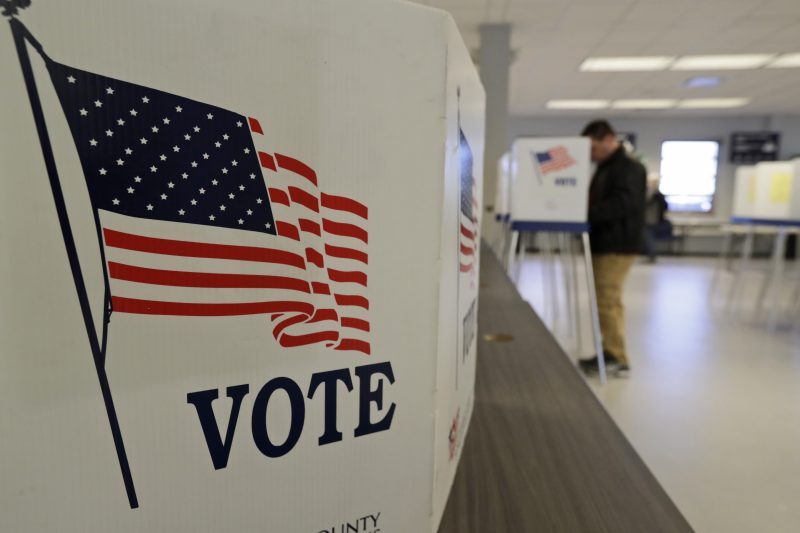
Meanwhile, at polling stations across the city, voters shared their thoughts on the amendment as they cast their ballots. John Thompson, a retired teacher, commented, “I believe in having a secure voting process. If it means showing an ID, I’m okay with that. But we need to make sure everyone has a fair chance to vote.” His perspective highlights the delicate balance between security and accessibility that Issue 3 represents.
Community leaders also weighed in, with some advocating for the amendment while others called for a more inclusive approach to voting rights. The debate over Issue 3 has underscored a critical divide within Ohio regarding how best to protect the integrity of elections while ensuring that every eligible voter can participate in the democratic process.
The push for stricter voter ID laws is not unique to Ohio; it has been a national trend in recent years. States across the country have grappled with similar measures, often citing the need for enhanced security in the wake of widespread concerns about election integrity. However, the conversation is complicated by the fact that voter fraud remains a largely unfounded fear, with numerous studies indicating that it occurs at a minimal rate.
In Ohio, the debate has intensified over the past few election cycles, with various proposals aimed at tightening voting regulations. The introduction of Issue 3 represents a culmination of these efforts, as advocates seek to solidify their stance in the state constitution. This move has sparked a broader discussion about the future of voting rights in Ohio and the implications for families and communities.
As the conversation unfolds, it is essential to consider the human impact of these legislative changes. Families that have long participated in the electoral process may find themselves navigating new barriers, while others may feel empowered by the added security measures. The challenge lies in finding a solution that honors both the need for security and the fundamental right to vote.
For many families in Columbus, voting is a cherished tradition that connects them to their community and their values. With Issue 3 on the ballot, the stakes felt particularly high. Take the Johnson family, for example. They have made it a point to educate their children about the importance of civic engagement, instilling in them a sense of responsibility to participate in elections.
“Voting is not just a right; it’s a privilege that we must protect,” said Lisa Johnson, the family matriarch. “But if people can’t access the polls because of ID requirements, that’s a problem. We need to ensure that everyone has a voice.” Her words reflect a sentiment shared by many in the community who recognize that the health of democracy relies on inclusivity.
As the results of Issue 3 are tallied, the implications for families across Ohio will become clearer. Will the amendment create barriers for those who already face challenges in accessing the polls? Or will it foster a renewed sense of trust in the electoral process? These questions weigh heavily on the minds of many residents, who are eager to see how the outcome will shape their community.
In light of the discussions surrounding Issue 3, it is crucial for voters to remain informed about their rights and the resources available to them. Organizations such as the National Association of Secretaries of State provide vital information on voting requirements and how to obtain necessary identification. Additionally, local groups like the Ohio Voter ID Coalition are working to ensure that all residents understand the implications of the new law and have access to the resources they need.
Moreover, local libraries and community centers are stepping up to offer assistance, providing workshops on how to navigate the voting process under the new regulations. These efforts aim to empower voters and ensure that everyone has a fair chance to participate in the upcoming elections.
As Ohio moves forward, the importance of civic engagement cannot be overstated. In a democracy, every voice matters, and it is the responsibility of each citizen to advocate for their rights and the rights of others. Whether through education, outreach, or community organizing, the potential for positive change is immense.
As the dust settles on the vote regarding Issue 3, Ohioans will need to reflect on what this means for their future. The outcome of the ballot measure could set a precedent for how voter ID laws are approached in the state moving forward. In a time when trust in government institutions is waning, it is essential for the community to engage in ongoing dialogue about the implications of such measures.
Looking ahead, the conversations ignited by Issue 3 may serve as a catalyst for broader discussions about voting rights and accessibility in Ohio. Community leaders and residents alike must come together to ensure that the electoral process remains open and fair for all. The commitment to strong families and a vibrant democracy is intertwined, and as Ohioans navigate these changes, they must keep the well-being of their community at the forefront.
Ultimately, the path forward will require collaboration, understanding, and a shared vision for a democratic process that reflects the values of all Ohioans. As families gather around their kitchen tables in the coming weeks, the discussions about voting rights will continue, shaping the future of civic engagement in the Buckeye State.
By Carmen Reyes

By Carmen Reyes
By Carmen Reyes

By Samuel Ortiz